Showing posts with label Monkeypox. Show all posts

Monkeypox Outbreak - Symptoms, Duration of Incubation, and Vaccine Options


Monkeypox is a rare and infectious disease caused by the monkeypox virus. It is similar to smallpox, but generally less severe. Outbreaks of monkeypox have been reported in several African countries, including the Democratic Republic of Congo, Nigeria, and Uganda.

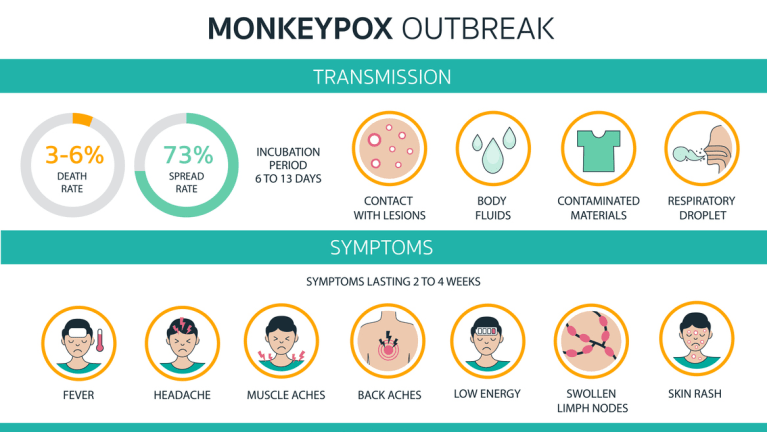
The symptoms of monkeypox typically appear within 2 to 4 weeks after exposure to the virus and may include fever, headache, muscle aches, backache, swollen lymph nodes, chills, fatigue, and a rash that progresses from red bumps to blister-like lesions. The lesions may be filled with fluid and may crust over and form scabs. In some cases, the lesions may affect the eyes, mouth, or genital area, and may cause painful swallowing or difficulty breathing.

There is no specific treatment for monkeypox, but symptoms can be managed with supportive care, such as pain relief and hydration. In severe cases, hospitalization may be necessary.

There is currently no licensed vaccine for monkeypox in the United States, but the smallpox vaccine may provide some protection against the virus. The World Health Organization (WHO) recommends the use of the smallpox vaccine in outbreak situations, but its use is limited due to the potential for side effects and the fact that it is no longer routinely used.

Monkeypox - What Are the Symptoms of Monkeypox?


The symptoms of monkeypox typically appear within 2 to 4 weeks after exposure to the virus and may include:

  • Fever

  • Headache

  • Muscle aches

  • Backache

  • Swollen lymph nodes

  • Chills

  • Fatigue

  • A rash that progresses from red bumps to blister-like lesions, often beginning on the face and then spreading to other parts of the body. The lesions may be filled with fluid and may crust over and form scabs.

  • In some cases, the lesions may affect the eyes, mouth, or genital area, and may cause painful swallowing or difficulty breathing.

If you think you may have monkeypox, it is important to seek medical attention as soon as possible. Your doctor can diagnose monkeypox based on your symptoms and exposure history, and can provide treatment to help relieve symptoms and prevent complications.

Monkeypox Cases Outside Africa


Monkeypox is a rare infectious disease caused by the monkeypox virus, which is similar to the virus that causes smallpox. Outbreaks of monkeypox have primarily been reported in Central and West Africa, but cases have also been reported in other regions, including Europe and North America.

In 2003, an outbreak of monkeypox occurred in the United States, with cases reported in several midwestern states. The outbreak was linked to the importation of exotic animals from Africa, and was eventually controlled through quarantine and other measures.

In 2018, a case of monkeypox was reported in the United Kingdom, in a person who had recently traveled to Nigeria. This was the first reported case of monkeypox in the UK.

Overall, while monkeypox is primarily a disease of Central and West Africa, cases have also been reported in other regions, including Europe and North America. It is important for healthcare providers to be aware of the possibility of monkeypox in patients who have recently traveled to areas where the virus is known to be present.

Free Learn How-To Tutorials

Search This Blog

Menu Halaman Statis

About Me