Showing posts with label Health. Show all posts

How to Cure High Blood Pressure in 3 Minutes?


The force of the blood as it is pumped from the heart against the walls of the arteries is the force that is measured when referring to blood pressure. The systolic blood pressure and the diastolic blood pressure are the two numbers that are used to express it. The systolic blood pressure is the pressure that is experienced when the heart beats, and the diastolic blood pressure is the pressure that is experienced between beats.

Because high blood pressure, also known as hypertension, can raise the risk of heart disease, stroke, and other health problems, measuring blood pressure is an essential component of an overall health assessment. On the other side, low blood pressure, commonly known as hypotension, can also be a cause for concern because it can lead to a variety of symptoms such as dizziness, fainting, and so on.

A blood pressure monitor is a device that is used to measure blood pressure. This monitor consists of a cuff that is wrapped around the upper arm and a gauge that detects the pressure of the blood inside the arteries. Blood pressure is monitored using this device. In addition to recording blood pressure, a blood pressure monitor will also record the heart rate. The heart rate can be defined as the number of times the heart beats in one minute.

Blood pressure that falls within the range of 90/60 mmHg to 120/80 mmHg is generally regarded to be normal. Blood pressure, on the other hand, can change depending on a variety of factors, including age, gender, and overall health. A healthcare expert can assist an individual in determining what level of blood pressure is deemed normal for that person.

In general, blood pressure is defined as the force exerted by the blood against the inner and outer layers of the artery walls. A blood pressure monitor is what is used to determine this vital sign, which is a crucial indicator of general health. Blood pressure that falls within the range of 90/60 mmHg to 120/80 mmHg is generally regarded to be normal.

How to Cure High Blood Pressure in 3 Minutes?

There is no cure for high blood pressure (hypertension), and it cannot be cured in just 3 minutes. High blood pressure is a chronic condition that requires ongoing management and treatment to control and prevent complications.

To manage high blood pressure, it is important to follow a healthy lifestyle, including eating a healthy diet, exercising regularly, maintaining a healthy weight, and avoiding tobacco and excessive alcohol consumption.

In addition to lifestyle changes, your healthcare provider may also prescribe medication to help lower your blood pressure. It is important to take your medication as prescribed, and to continue taking it even if your blood pressure is under control.

If you are experiencing a sudden, severe increase in blood pressure, you should seek immediate medical attention. Your healthcare provider may need to administer medication or other treatments to lower your blood pressure quickly and prevent complications.

Overall, high blood pressure cannot be cured in just 3 minutes. It requires ongoing management and treatment to control and prevent complications. Lifestyle changes and medication are the main methods for managing high blood pressure. If you are experiencing a sudden, severe increase in blood pressure, you should seek immediate medical attention.
Herbs and Tricks to Lower Blood Pressure Instantly


Blood pressure is the measure of the force of blood against the walls of the arteries as it is pumped from the heart. It is expressed in two numbers: the systolic blood pressure, which is the pressure when the heart beats, and the diastolic blood pressure, which is the pressure between beats.

Blood pressure is an important measure of overall health, as high blood pressure (hypertension) can increase the risk of heart disease, stroke, and other health problems. On the other hand, low blood pressure (hypotension) can also be a cause for concern, as it can lead to dizziness, fainting, and other symptoms.

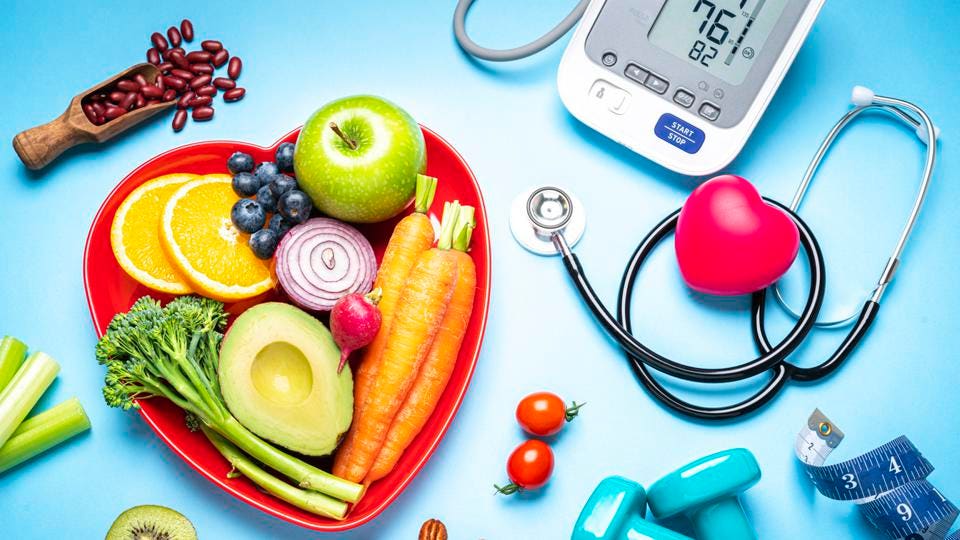
Blood pressure is measured using a blood pressure monitor, which is a device that consists of a cuff that is placed around the upper arm, and a gauge that measures the pressure of the blood inside the arteries. The blood pressure monitor also records the heart rate, which is the number of times the heart beats per minute.

Normal blood pressure is typically considered to be between 90/60 mmHg and 120/80 mmHg. However, blood pressure can vary depending on factors such as age, sex, and overall health. A healthcare provider can help determine what is considered normal blood pressure for an individual.

Overall, blood pressure is the measure of the force of blood against the walls of the arteries. It is an important measure of overall health, and is measured using a blood pressure monitor. Normal blood pressure is typically considered to be between 90/60 mmHg and 120/80 mmHg.

Herbs and Tricks to Lower Blood Pressure Instantly


There are several herbs and natural remedies that may help to lower blood pressure instantly. However, it is important to consult with a healthcare provider before using any herbs or natural remedies to lower blood pressure, as some of these remedies may interact with medications or have other potential side effects.

Some herbs and natural remedies that may help to lower blood pressure instantly include:

  • Garlic: Garlic has been shown to have anti-inflammatory and blood-thinning effects, which may help to lower blood pressure. Garlic can be eaten raw, cooked, or taken in supplement form.

  • Lemon: Lemon contains citric acid, which may help to lower blood pressure by relaxing the blood vessels and reducing blood pressure. Lemon can be added to water, tea, or other beverages, or taken in supplement form.

  • Cayenne pepper: Cayenne pepper contains capsaicin, a compound that may help to lower blood pressure by relaxing the blood vessels and reducing blood pressure. Cayenne pepper can be added to food, or taken in supplement form.

  • Yoga and meditation: Yoga and meditation can help to lower blood pressure by reducing stress and promoting relaxation. Yoga and meditation can be practiced at home or in a class.

Overall, there are several herbs and natural remedies that may help to lower blood pressure instantly. However, it is important to consult with a healthcare provider before using any herbs or natural remedies to lower blood pressure. Some herbs and natural remedies that may help to lower blood pressure include garlic, lemon, cayenne pepper, and yoga and meditation.

How Much Does a Nurse Practitioner Make?


A nurse practitioner (NP) is a healthcare professional who is trained to provide advanced nursing care. NPs are registered nurses who have completed a master's or doctoral degree program in nursing, and have received specialized training in a particular area of healthcare, such as pediatrics, geriatrics, or mental health.

NPs are licensed to diagnose and treat illnesses and injuries, and to prescribe medications. They work closely with doctors and other healthcare providers to provide comprehensive care to patients.

NPs typically work in a variety of settings, including hospitals, clinics, doctor's offices, and nursing homes. They may work independently or as part of a healthcare team, and may specialize in a specific area of healthcare.

The responsibilities of NPs vary depending on their specialty and the specific healthcare setting in which they work. In general, however, NPs are responsible for conducting physical exams, ordering and interpreting diagnostic tests, diagnosing and treating illnesses and injuries, and providing education and support to patients and their families.

Overall, a nurse practitioner is a healthcare professional who is trained to provide advanced nursing care. NPs are licensed to diagnose and treat illnesses and injuries, and to prescribe medications. They work in a variety of settings, and may specialize in a specific area of healthcare.

How Much Does a Nurse Practitioner Make?


The salary of a nurse practitioner (NP) can vary depending on factors such as the NP's education and experience, the location and type of healthcare facility where they work, and their specialty area.

According to the Bureau of Labor Statistics, the median annual salary for NPs in the United States is $109,820. However, NPs in the top 10% of earners make an average of $159,440 per year, while NPs in the bottom 10% of earners make an average of $78,990 per year.

NPs who work in outpatient care centers tend to earn higher salaries, with a median annual salary of $113,270. NPs who work in hospitals tend to earn slightly lower salaries, with a median annual salary of $107,460.

NPs who specialize in certain areas, such as geriatrics or critical care, may also earn higher salaries than NPs who have a general practice.

Overall, the salary of a nurse practitioner can vary depending on factors such as education and experience, location and type of facility, and specialty area. The median annual salary for NPs in the United States is $109,820.

Monkeypox Outbreak - Symptoms, Duration of Incubation, and Vaccine Options


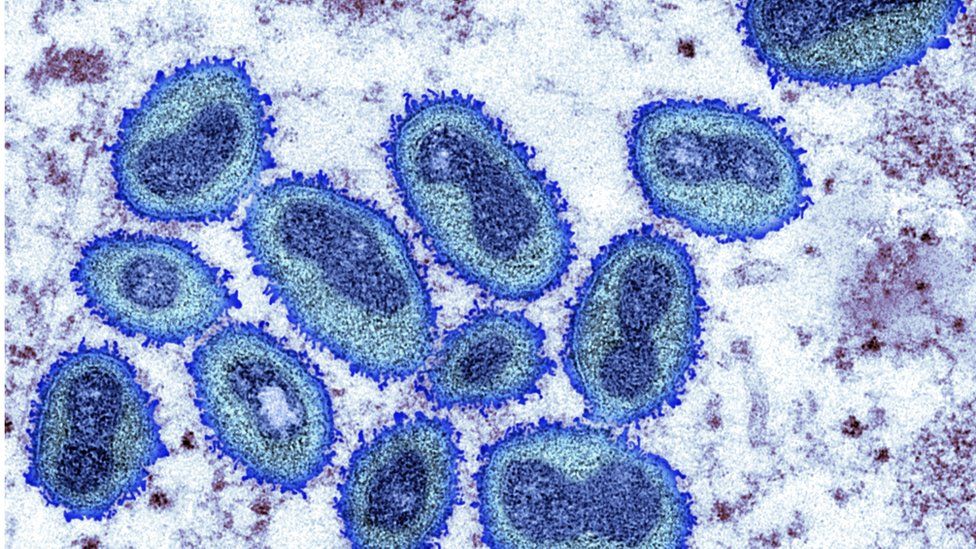
Monkeypox is a rare and infectious disease caused by the monkeypox virus. It is similar to smallpox, but generally less severe. Outbreaks of monkeypox have been reported in several African countries, including the Democratic Republic of Congo, Nigeria, and Uganda.

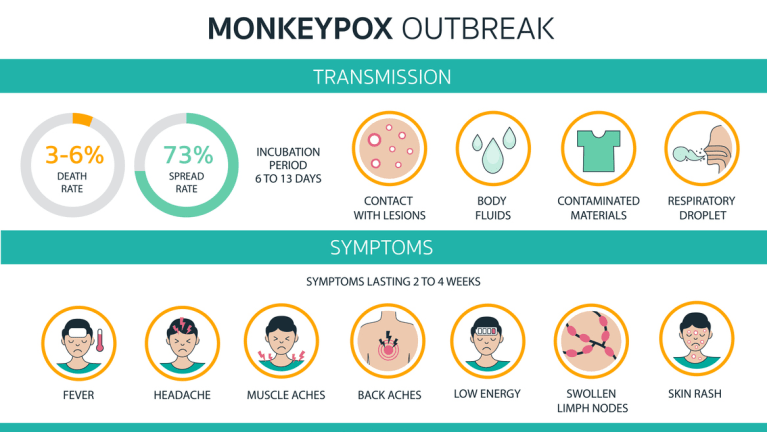
The symptoms of monkeypox typically appear within 2 to 4 weeks after exposure to the virus and may include fever, headache, muscle aches, backache, swollen lymph nodes, chills, fatigue, and a rash that progresses from red bumps to blister-like lesions. The lesions may be filled with fluid and may crust over and form scabs. In some cases, the lesions may affect the eyes, mouth, or genital area, and may cause painful swallowing or difficulty breathing.

There is no specific treatment for monkeypox, but symptoms can be managed with supportive care, such as pain relief and hydration. In severe cases, hospitalization may be necessary.

There is currently no licensed vaccine for monkeypox in the United States, but the smallpox vaccine may provide some protection against the virus. The World Health Organization (WHO) recommends the use of the smallpox vaccine in outbreak situations, but its use is limited due to the potential for side effects and the fact that it is no longer routinely used.

Monkeypox - What Are the Symptoms of Monkeypox?


The symptoms of monkeypox typically appear within 2 to 4 weeks after exposure to the virus and may include:

  • Fever

  • Headache

  • Muscle aches

  • Backache

  • Swollen lymph nodes

  • Chills

  • Fatigue

  • A rash that progresses from red bumps to blister-like lesions, often beginning on the face and then spreading to other parts of the body. The lesions may be filled with fluid and may crust over and form scabs.

  • In some cases, the lesions may affect the eyes, mouth, or genital area, and may cause painful swallowing or difficulty breathing.

If you think you may have monkeypox, it is important to seek medical attention as soon as possible. Your doctor can diagnose monkeypox based on your symptoms and exposure history, and can provide treatment to help relieve symptoms and prevent complications.

How to Choose Health Insurance?


When choosing health insurance, there are several factors that you should consider to ensure that you select a plan that meets your needs and budget:

  1. Coverage: First and foremost, you should make sure that the plan you choose covers the medical services and treatments that you need. This may include preventive care, such as annual check-ups and vaccinations, as well as more specialized services, such as maternity care or mental health treatment.

  2. Network: You should also consider the network of doctors and hospitals that are covered by the plan. If you have a preferred doctor or hospital, make sure that they are in the plan's network, or you may have to pay more for out-of-network care.

  3. Cost: Health insurance plans can be expensive, so it's important to consider the cost of premiums, deductibles, and copayments when choosing a plan. You may be able to save money by choosing a plan with a higher deductible or by opting for a plan that doesn't cover certain services, such as vision or dental care.

  4. Customer service: Finally, you should consider the quality of customer service offered by the insurance company. This can be important if you need to make changes to your plan or if you have questions or concerns about your coverage.

Overall, the best health insurance plan for you will depend on your individual needs and circumstances. It's important to research different plans and compare their coverage, costs, and customer service ratings to find the plan that is right for you.

How to Lose Weight Fast Naturally and Permanently?


Weight loss refers to the process of losing weight, typically by reducing the amount of calories you consume and increasing the amount of physical activity you do. Weight loss can be achieved through a variety of methods, including diet and exercise, medication, and surgical procedures.

To lose weight, it is important to create a calorie deficit. This means consuming fewer calories than your body uses, so that your body is forced to use stored fat as fuel. This can be achieved through a combination of diet and exercise.

In terms of diet, weight loss can be achieved by reducing the amount of calories you consume, choosing healthy and nutritious foods, and eating regular meals. In terms of exercise, weight loss can be achieved by increasing the amount of physical activity you do, such as through regular exercise, sports, or other forms of physical activity.

Overall, weight loss is the process of losing weight, typically by creating a calorie deficit through diet and exercise. By following a healthy and balanced diet and increasing your physical activity, you can achieve weight loss and improve your overall health and well-being.

How to Lose Weight Fast Naturally and Permanently?

To lose weight fast naturally and permanently, you will need to make a number of lifestyle changes, including:

  1. Eating a healthy and balanced diet. This means choosing nutrient-dense, whole foods, such as fruits, vegetables, whole grains, lean proteins, and healthy fats, and avoiding processed and high-calorie foods.

  2. Reducing your daily calorie intake. To lose weight, you need to create a calorie deficit by consuming fewer calories than your body uses. This can be achieved by reducing your daily calorie intake, either through portion control or by making healthier food choices.

  3. Increasing your physical activity. Regular physical activity, such as exercise, sports, or other forms of movement, can help you burn calories and lose weight. Aim for at least 150 minutes of moderate-intensity physical activity per week, or 75 minutes of vigorous-intensity activity.

  4. Getting enough sleep. Adequate sleep is important for weight loss, as it can help regulate your hunger hormones and metabolism. Aim for 7-9 hours of quality sleep per night.

  5. Managing stress. Chronic stress can lead to weight gain, so it is important to manage stress in healthy ways, such as through meditation, yoga, or other relaxation techniques.

Overall, to lose weight fast naturally and permanently, you will need to make a number of lifestyle changes, including eating a healthy and balanced diet, reducing your daily calorie intake, increasing your physical activity, getting enough sleep, and managing stress.

Monkeypox Cases Outside Africa


Monkeypox is a rare infectious disease caused by the monkeypox virus, which is similar to the virus that causes smallpox. Outbreaks of monkeypox have primarily been reported in Central and West Africa, but cases have also been reported in other regions, including Europe and North America.

In 2003, an outbreak of monkeypox occurred in the United States, with cases reported in several midwestern states. The outbreak was linked to the importation of exotic animals from Africa, and was eventually controlled through quarantine and other measures.

In 2018, a case of monkeypox was reported in the United Kingdom, in a person who had recently traveled to Nigeria. This was the first reported case of monkeypox in the UK.

Overall, while monkeypox is primarily a disease of Central and West Africa, cases have also been reported in other regions, including Europe and North America. It is important for healthcare providers to be aware of the possibility of monkeypox in patients who have recently traveled to areas where the virus is known to be present.

How To Get Rid of Ants?


Ants are a type of insect that is found all over the world. They are known for their highly organized colonies and their ability to work together to build complex nests and forage for food.

Ants are typically small, ranging in size from a few millimeters to a few centimeters, and are usually brown or black in color. They have a segmented body, with a head, thorax, and abdomen, and three pairs of legs.

Ants are social insects, meaning that they live and work together in large colonies. Each colony is made up of different types of ants, including workers, soldiers, and a queen. The workers are responsible for foraging for food and taking care of the young, while the soldiers protect the colony from predators.

Ants are known for their ability to work together and communicate with each other. They use pheromones and other signals to communicate with each other, and are able to coordinate their activities to build complex nests and find food.

Overall, ants are a fascinating and diverse group of insects that are found all over the world. They are known for their social behavior and their ability to work together to build complex colonies and forage for food.


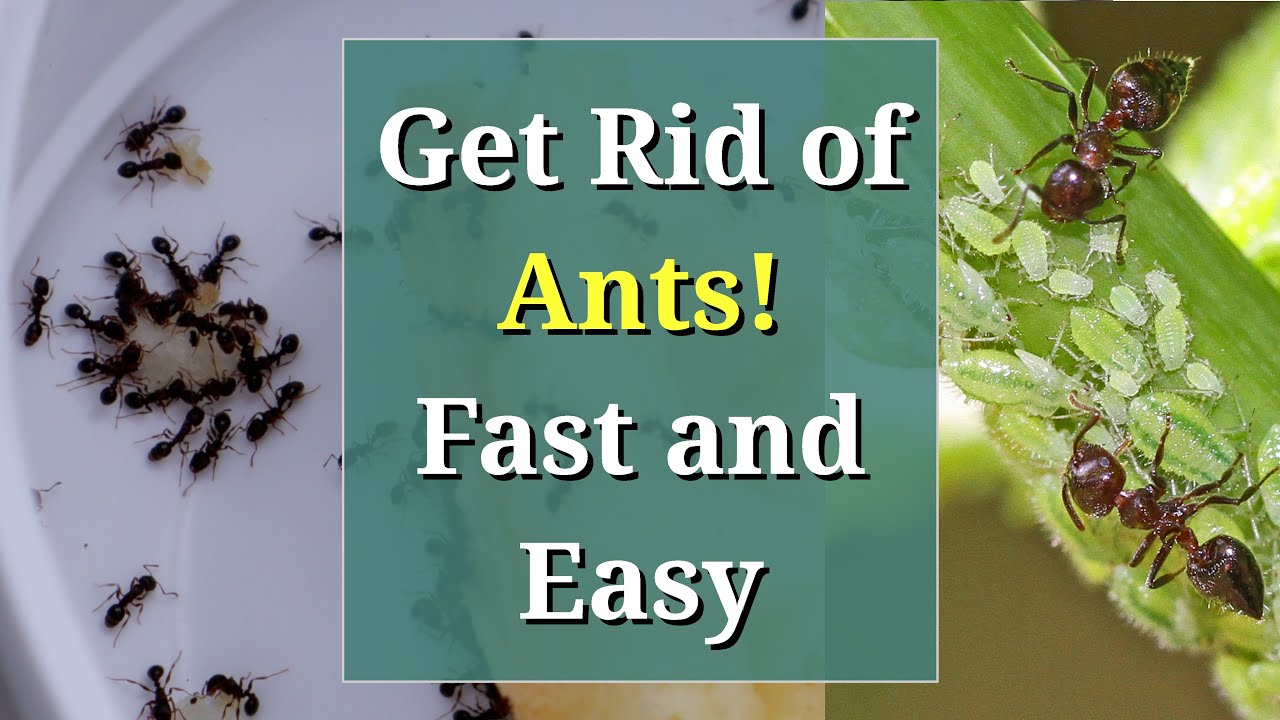
There are a few different steps you can take to get rid of ants in your home. Here are some tips to help you get rid of ants:

  1. Clean up any food or water sources that may be attracting the ants. This can include wiping down counters and surfaces, sealing food in airtight containers, and making sure to clean up any spills or crumbs immediately.

  2. Use ant bait traps to kill the ants. Ant bait traps are a safe and effective way to get rid of ants, as they contain a slow-acting poison that the ants will take back to their nest and share with the rest of the colony.

  3. Seal any cracks or gaps where the ants may be entering your home. Ants can fit through very small openings, so it's important to seal any potential entry points to prevent them from getting in.

  4. Use natural ant repellents to keep the ants away. Some natural ant repellents include peppermint oil, white vinegar, and citrus essential oils, which can be sprayed around entry points or areas where the ants are commonly found.

  5. If the ant problem persists, consider contacting a professional pest control company for assistance. They can provide more advanced treatments and solutions to get rid of the ants and prevent them from returning.

Overall, getting rid of ants can be a challenge, but by following these steps, you can effectively get rid of ants and keep them from coming back.

Free Learn How-To Tutorials

Search This Blog

Menu Halaman Statis

About Me